
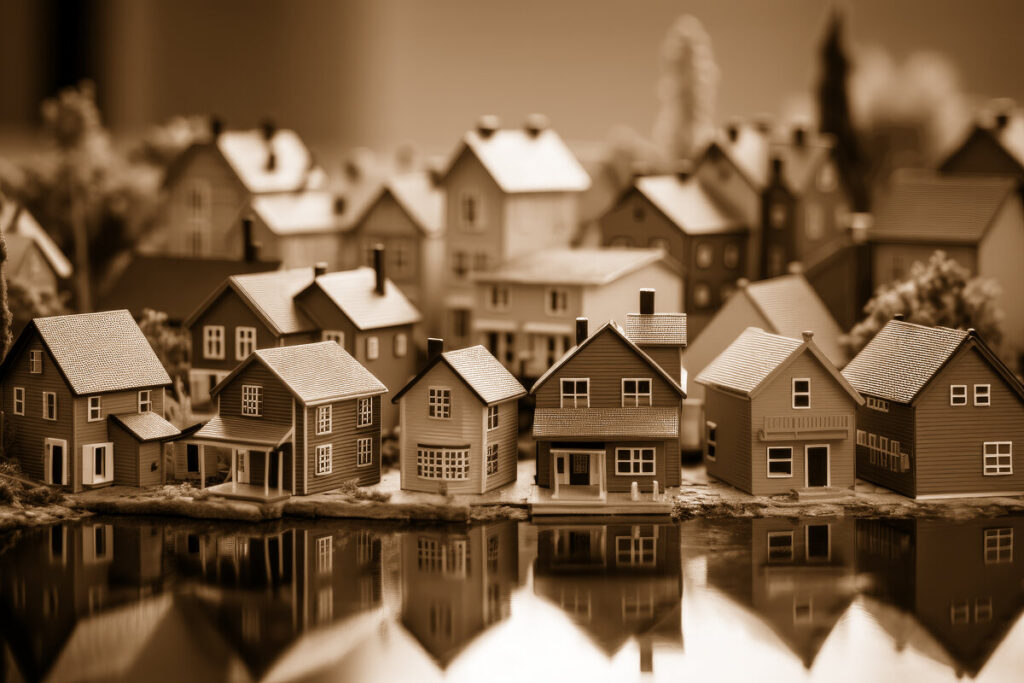
Nestled comfortably in the vibrant west-central area of Denver, the Garden Park neighborhood stands as a living testament to the city’s evolution and resilience. Tucked between West 32nd Avenue, Federal Boulevard, and Speer Boulevard, Garden Park is a community woven together by lush trees, historical homes, and the memories of families who have called this area home for generations. As a longtime resident, I can tell you there’s something special about strolling these streets and imagining the stories they carry.
Origins of Garden Park: The Early Days
The origins of Garden Park trace back to the late 19th century, at a time when Denver was rapidly expanding. Like much of Denver’s west side, what we now fondly call Garden Park began as farmland. Even before its homes sprouted up, the land was defined by the South Platte River and rolling fields dotted with wild sunflowers and native grasses, which lent a distinctive charm.
The neighborhood’s name, “Garden Park,” emerged from its legacy as a greenbelt area—the city’s own “garden” in an urban setting. Early city planners envisioned these spaces as a healthy escape from the hustle and bustle, fostering the community spirit that endures today.
A Name with Meaning
How did Garden Park get its name? The credit goes to both nature and aspiration. In the 1890s, as Denver strove to brand itself as the “Queen City of the Plains,” it highlighted neighborhoods with greenways, parks, and gardens. The city’s push for urban beautification coincided with the creation of nearby Sloan’s Lake and the development of small pocket parks throughout West Denver. Residents affectionately began referring to the tree-lined stretch near West 32nd Avenue and Perry Street as “the garden park,” a nickname the city eventually made official in the 1920s as the area was platted for residential lots.
Key Historical Milestones
Garden Park has seen its share of history. In the early 1900s, streetcars began serving the district, making it easier for working families to settle here. Victorian-era homes sprang up along Hooker and Irving streets, their turreted roofs and wrap-around porches still gracing the neighborhood today.
Some milestones that shaped Garden Park include:
- The opening of Colfax Avenue as a major east-west thoroughfare, increasing accessibility and commerce.
- The completion of the Garden Park School (now a cherished community center) in 1926, providing educational opportunities right in the neighborhood.
- The postwar housing boom of the 1940s and 1950s, which saw classic brick bungalows and ranch-style homes fill in the tree-shaded lots.
- The preservation efforts of the 1980s and 1990s, when neighbors rallied to save historic homes from demolition and to plant more trees along Lowell and Perry Streets.
Notable Landmarks and Institutions
While Garden Park is something of a hidden gem, it boasts its share of notable landmarks:
- Garden Park School/Community Center: Originally constructed in 1926, this lovingly maintained brick building at the corner of West 33rd Avenue and Meade Street is now a gathering place for everything from art classes to community meetings.
- Emerson Chapel: A petite yet iconic church on West 32nd Avenue, Emerson Chapel’s stained-glass windows have watched over weddings, funerals, and neighborhood potlucks for nearly a century.
- The Perry Street Arboretum: Though small, this stretch of mature cottonwoods and lilacs along Perry Street has been lovingly tended by residents since the 1960s.
- Community Gardens: In the spirit of its name, Garden Park features several shared gardens—like the longstanding plot behind the community center, where neighbors gather to plant and harvest together each summer.
Evolving with the Times
Garden Park has always balanced its legacy with growth. Through the decades, the neighborhood adjusted from horse carts to streetcars, and later, to automobiles cruising down Federal Boulevard. The grand Victorians, humble cottages, and mid-century ranches give the area a visually rich and diverse streetscape.
In recent years, Garden Park has welcomed a new generation of residents—young families and urban professionals drawn to its walkability, parks, and community feel. The local businesses along 32nd Avenue, from cozy cafes to family-run shops, create a sense of continuity between old and new.
Neighbors continue to celebrate annual events like the Garden Park Block Party and the Spring Planting Festival. These are moments when kids play in the shadow of 100-year-old maples, and old-timers share stories on front porches with newcomers.
What Makes Garden Park Special Today
There’s something unhurried and welcoming about life in Garden Park. Maybe it’s the patchwork of historic houses or the canopy of mature trees that line every block. Maybe it’s the laughter echoing from the playground in Garden Park School, or the scent of lilacs in spring.
What stands out most to me is the neighborhood’s enduring sense of pride—a commitment to preserving what’s best about the past while opening doors to the future. Residents volunteer to keep parks clean, advocate for smart development, and look out for one another, whether they’ve lived here for 50 years or just moved in. It’s a place where each season brings its own joys: golden leaves in fall, snow-dusted lawn statues in winter, and backyard barbecues all summer long.
If you ever find yourself wandering the blocks between Lowell, Perry, and West 32nd Avenue, pause for a moment. Listen to the stillness, the laughter, and the echoes of Denver’s past. In Garden Park, every street tells a story—and in every story, you’ll find a warm invitation to stay awhile.